

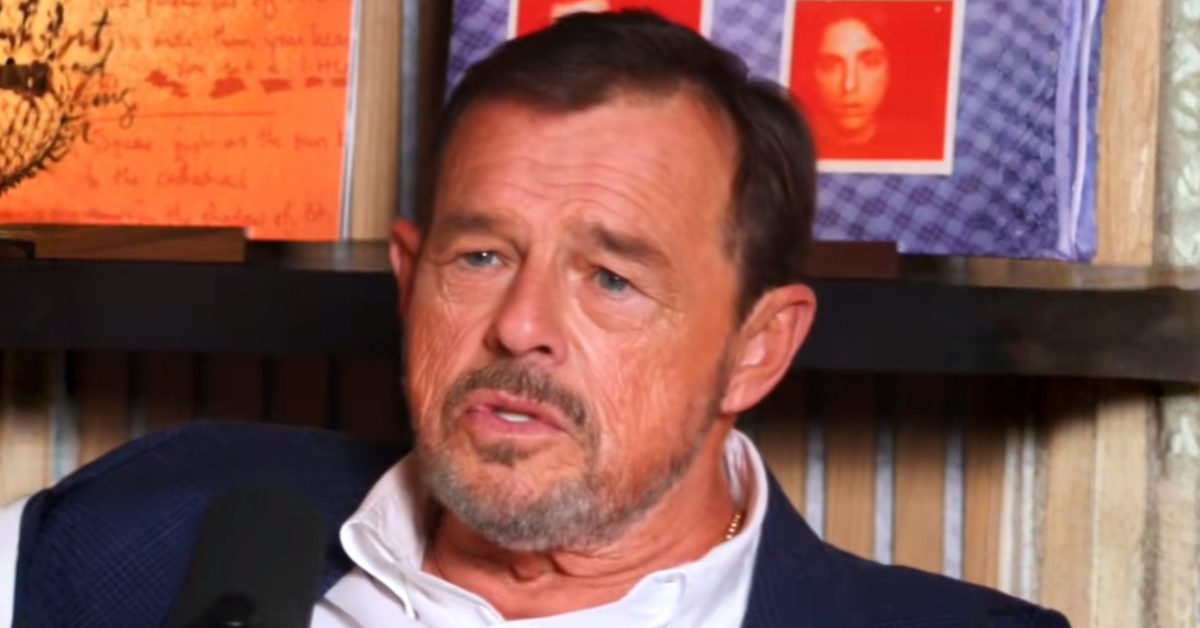
Unexpectedly to many, “Queen of My Double Wide Trailer” singer Sammy Kershaw found himself at the center of quite a few conversations surrounding the 60th Annual CMA Awards over the past few weeks.
Of course, in the end, everything was sorted out… Kershaw got to walk the red carpet alongside his wife, and the whole ordeal has seemingly become water under the bridge. However, his decision to speak out about initially being denied access to the carpet opened the door to a much larger conversation about recognizing and honoring the country music legends who’ve busted their a** for decades to help shape the genre into what it is today.
And while some may associate Kershaw’s career primarily with the ’90s, trust me, this man has been working in music for pretty much his entire life.
The 68-year-old Louisiana native recently appeared on Bobby Bones’ Netflix show and podcast, The BobbyCast, where he dove deeper into the red carpet controversy while also opening up about his wild backstory and everything it took to become a multi-certified country artist with numerous Top 10 hits under his belt.
On the show, Kershaw proudly proclaimed that he believes he’s going to live to 104, despite once believing, “I always thought I would be dead by the time I was 25.” He attributed the thought to all the stuff he had done in his early life, like drugs and alcohol, affirming, “I quit over 40 years ago.”
“I was messed up pretty good, little boy, you know, you get some good feeling in them nightclubs playing that music, all that stuff.” He continued, sharing that back in 1970, when he started playing (mind you, at just the age of 11 or 12), he was surrounded by a much older group of people at the country music shows he was playing in, namely at nightclubs.
If you wanna talk about how the times have changed, imagine finding a nightclub nowadays that would even let a teenage boy step onto the property, let alone allow him to play a gig. But nonetheless, Kershaw recalled that while getting his footing in the music industry at such a young age, he was constantly surrounded by alcohol and drugs.
“Some of the musicians would take uppers, and you know, speed and all that kind of stuff, and then it turned into cocaine. I was around no kids my age— I was always with grown men 45 and older.”
Surrounded by this rowdy crowd, Kershaw shared that when he was 13, hitting up gigs at night and trying to stay awake in middle school during the day, one of the guys offered him a little boost to help him get through class: “I mentioned how tired I was, because I still had to go to school during the day at 8 o’clock and we wouldn’t get home till 2:30 in the morning, and he said, ‘Here, just take this, this will help you out.'”
The pill in question was Desoxyn, aka the prescription form of methamphetamine, aka speed, and Kershaw was not shy about his feelings towards it back in the day: “I liked it, I loved it.” He even recalled that the drugs back then were “good and clean too,” before issuing a warning: “Not like the stuff I hear about on the streets today, I’m telling everybody, leave that alone, you dont know what’s mixed in there.”
To add another impressive layer to Kershaw’s wild success story, he revealed that he was actually in his late 20s and early 30s when he finally started making it big, landing his first record deal in 1990. That means the man had been grinding in bars and nightclubs for nearly two decades before getting his big break: “I’m a 21-year overnight success. I paid my dues in those clubs.”
And with that pretty insane fact in mind, I’d say Kershaw more than earned that standing ovation he received during the CMA Awards ceremony.
Watch Sammy’s full episode with Bobby on Netflix here, or tune in on podcast platforms like Spotify, iHeartRadio, etc.